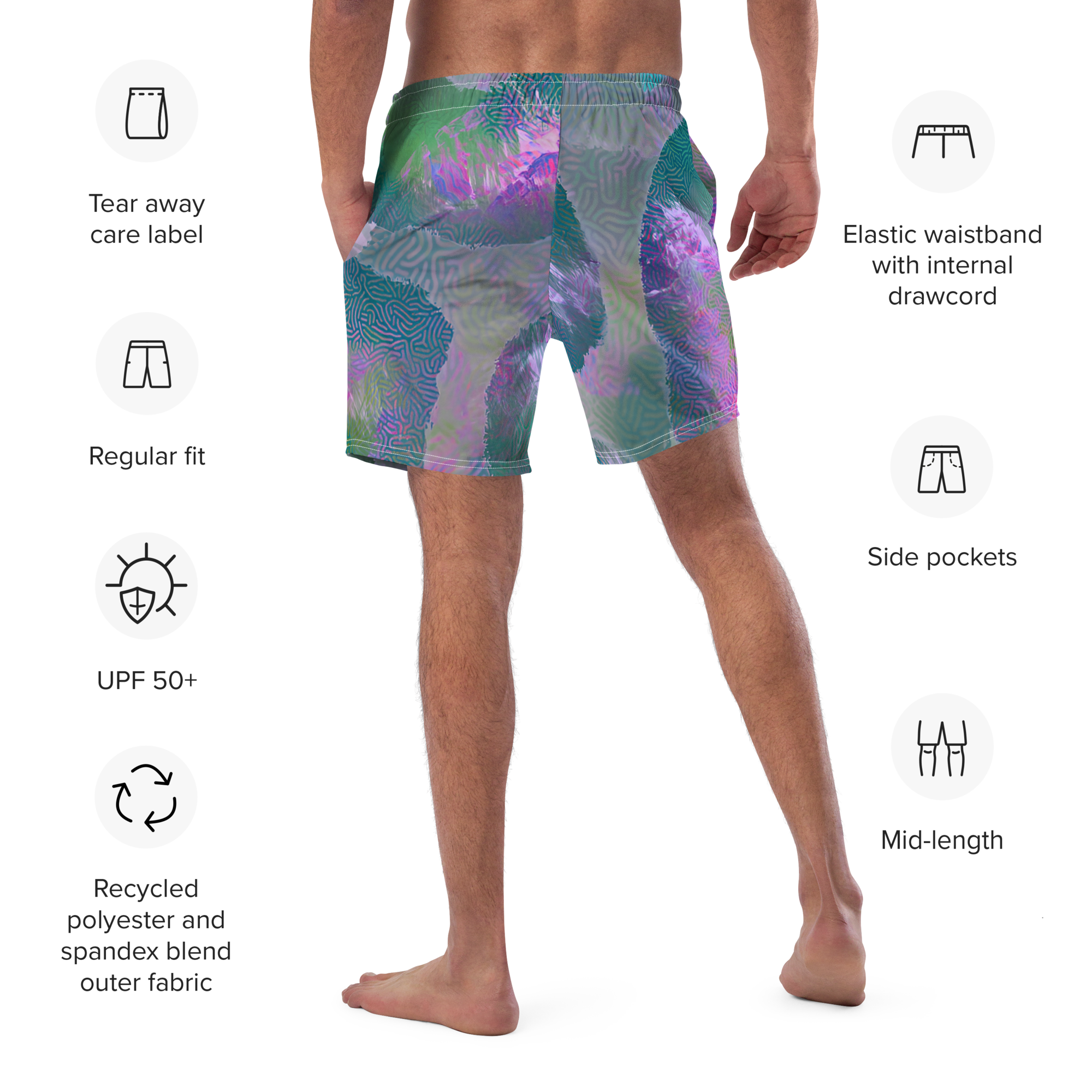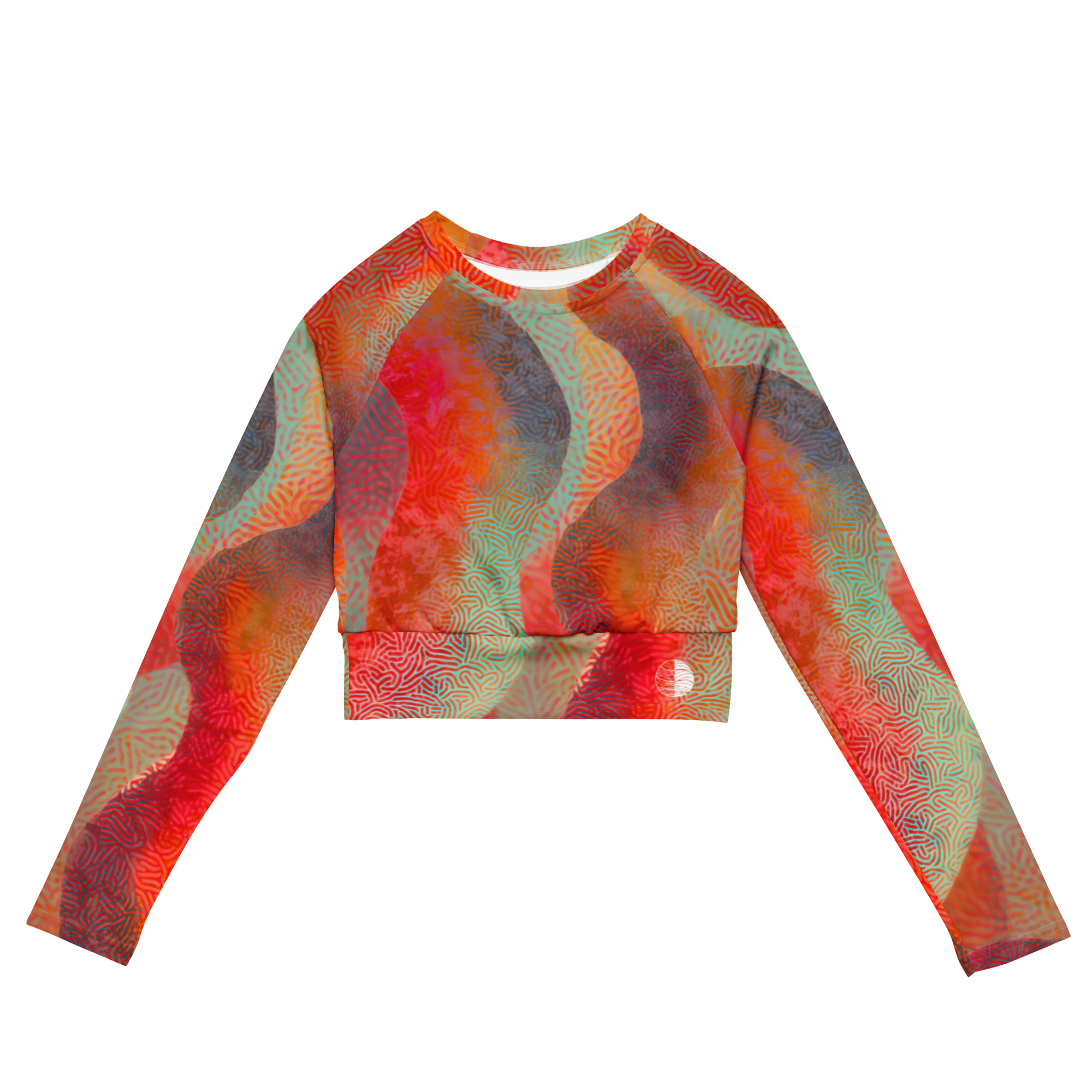


Description
Eco-friendly & sustainable
Unique designs
Coral Canvas: Where art meets ocean.
In collaboration with artist Loredana Pompi, we’ve brought the underwater marvel of corals to life in our unique designs. Featuring “Hana Maris” (Blossom of the Sea), “Aranya Maris” (Forest of the Sea), and “Kelindan Maris” (Intertwined Sea), each design is a tribute to the coral’s beauty and its critical role in our survival. Also, our tees don’t just look good—they make a statement, blending sassy sayings with stunning designs.
Your purchase revives the reefs
Shop the Coral Canvas Collection and bring life back to the oceans! We’ve teamed up with Coral Reef Care, dedicating 10% of the revenue of every purchase directly towards coral reef restoration initiatives. Your fashion choice has the power to heal our seas—one piece at a time.


Wear the change
Support local conservation efforts
By choosing a piece from the Coral Canvas Collection, you’re championing the vital conservation work of Coral Reef Care. This organization is at the forefront of empowering local communities worldwide to nurture healthier marine ecosystems. Every purchase helps our shared mission to protect and revive the vibrant life beneath our oceans.

About our recycled materials
What is recycled polyester?
Recycled polyester (rPET for short) is a fabric that’s produced from synthetic fibers. Recycled polyester is produced by recycling existing materials (like plastic bottles and packaging) but still has all the characteristics and performance as a regular polyester, making it a more sustainable fabric alternative.
How’s recycled polyester made?
Recycled polyester is made by crushing plastic products into small pieces. These small pieces are then processed into yarn, transformed into a fiber, and in the end—made into a fabric.
What are the advantages of recycled polyester?
Producing rPet takes 33% to 53% less energy than creating polyester from scratch. Also, rPet produces approximately 54.6% fewer CO2 emissions to the air than virgin polyester.
By using recycled materials, at least some of the plastic waste produced doesn’t end up in landfills.